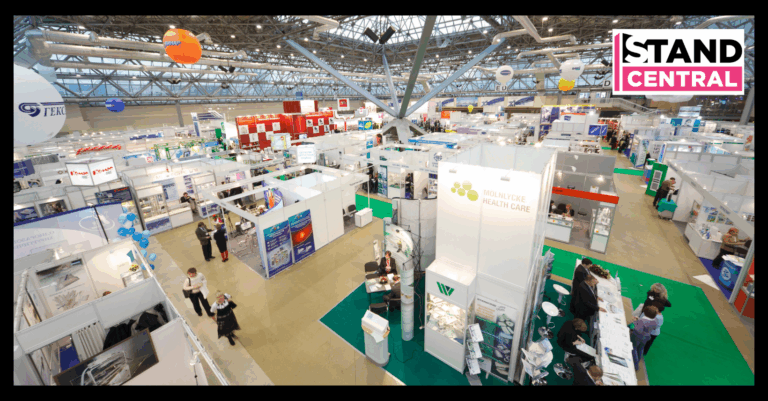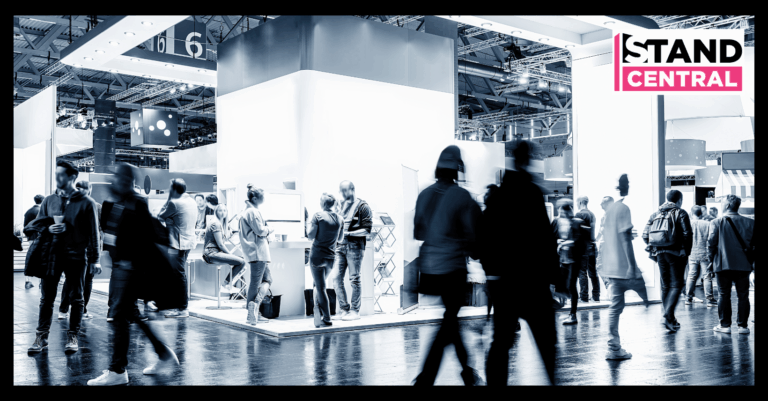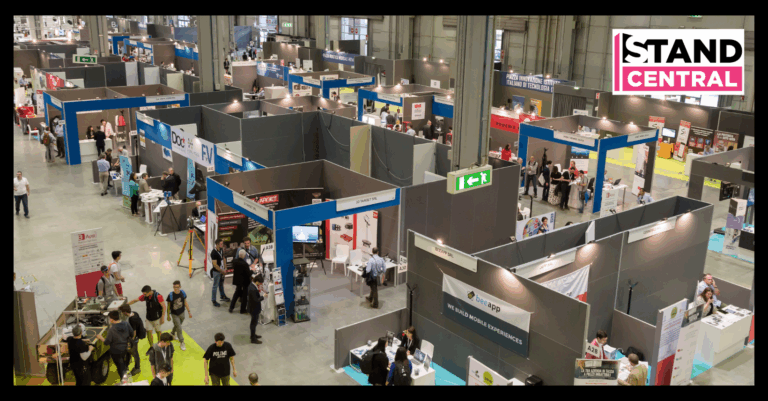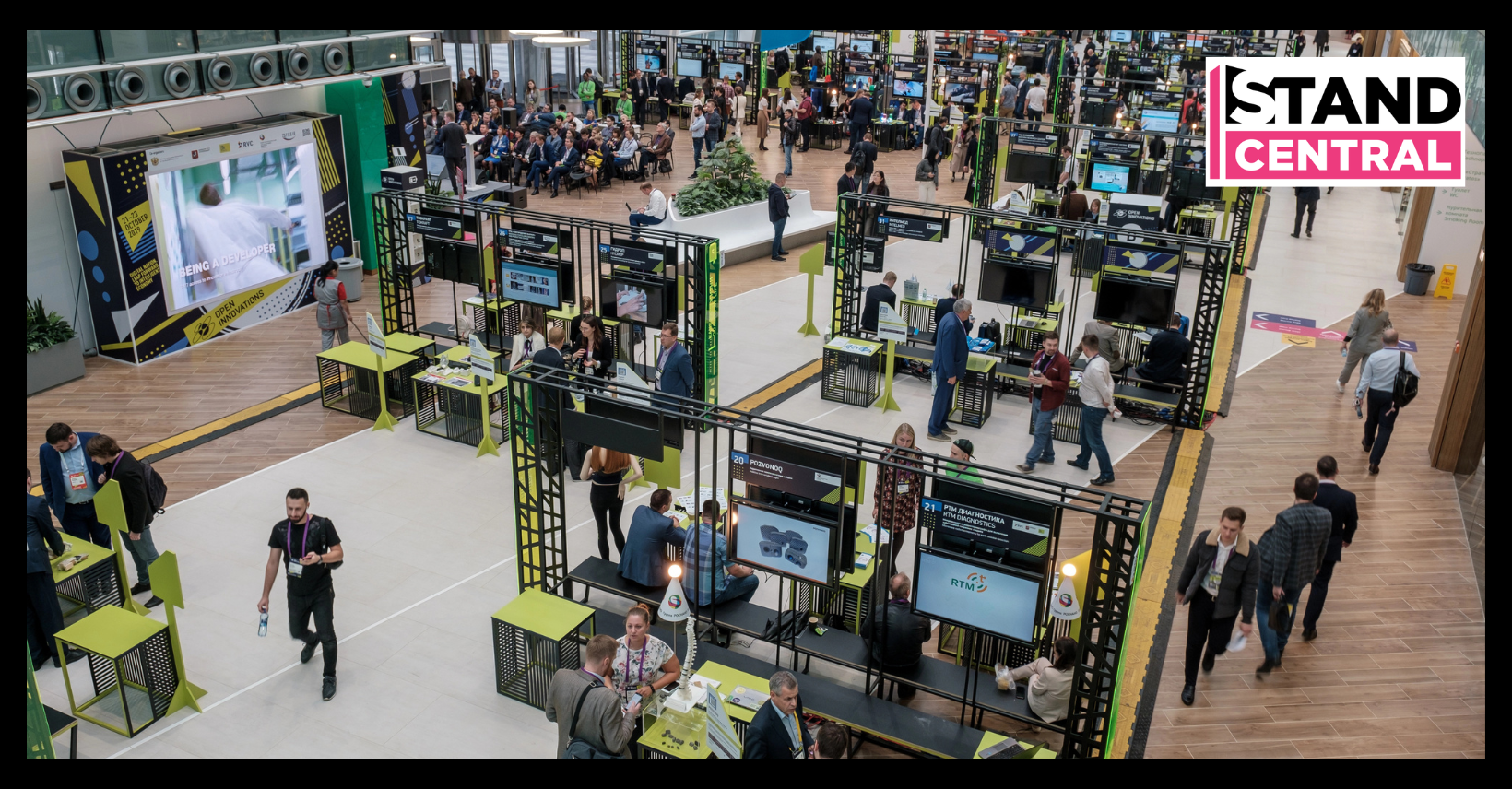
You stand in the middle of a buzzing hall, surrounded by banners, booths, and a sea of curious faces. The air is thick with excitement, and opportunity feels close enough to touch.
That’s the magic of a trade show, and if you’re reading this, you’re probably about to dive into your first trade show as an exhibitor.
Many new exhibitors feel nervous as they set up their booth for the first time, unsure if anyone will stop to talk or buy what’s on offer.
By the end, most walk away with new contacts, a stack of business cards, and a real sense of accomplishment.
A trade show can seem daunting, but with the right plan, it’s one of the best ways to showcase products and connect with a target audience face-to-face.
Quick Answer
To do a trade show successfully, focus on these essential steps:
- Set clear goals (e.g., generate leads, launch a product, build brand awareness).
- Choose the right trade show for your industry and audience, and book your booth early.
- Design an eye-catching booth and prepare quality promotional materials; train your staff to engage confidently.
- Promote your presence before the event through email, social media, and outreach.
- Turn leads into results by engaging visitors on the day, capturing contact details, and following up promptly.
What Is a Trade Show and Why Should You Exhibit?
Trade shows offer an unrivalled opportunity to put your products and services in the spotlight. Known as trade exhibitions, these events gather businesses from the same industry under one roof. If you want a deeper breakdown of how these events are structured and what to expect, read our guide on how trade shows work.
Here, you can showcase your products, meet industry peers, and reach your target audience directly.
As an exhibitor, you gain:
- The opportunity to showcase your products through live product demonstrations or networking.
- Direct access to show attendees who are interested and ready to buy.
- The chance to collect leads and contacts for your future marketing efforts.
Bold takeaway: A trade show is crucial for building relationships and boosting your visibility in your industry.
Who Should Exhibit at a Trade Show?
If you want to launch a new product or service, find trade partners, or connect with potential customers, exhibiting at a trade show makes a lot of sense. There are more reasons to exhibit at a trade show than most first-timers realise, from generating qualified leads to building long-term brand credibility.
Whether you’re a small startup or a large business, the benefits scale with your ambition.
What Does a Trade Show Involve?
A successful event involves careful event planning, a clear marketing strategy, and a plan to follow up after the event.
You’ll need to think about your trade show booth design, staff, promotional materials, and how to measure your success.
How Much Does It Cost to Exhibit at a Trade Show?
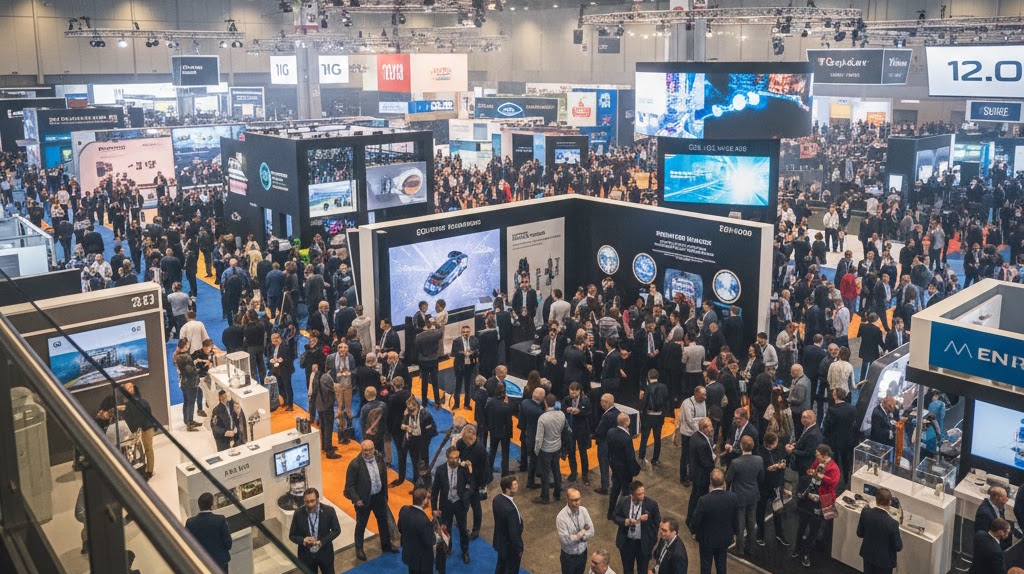
One of the first questions for anyone planning their first trade show is: how much does it cost? We cover the full breakdown of trade show booth costs in a separate guide, but here is a summary of the main expenses to expect:
- Booth Space: This is usually your biggest expense. The price depends on the size and position of your spot on the trade show floor.
- Stand Design and Build: Costs for banners, stands, and decoration.
- Promotional Materials: Flyers, business cards, branded giveaways, and other items.
- Staffing: Wages for your team or fees for an event staffing agency.
- Travel and Accommodation: If the trade show isn’t local, you’ll need to factor in hotels and transport. You should also account for shipping your exhibit to the venue safely and on time.
- Marketing Tools: Email campaigns, ads, and digital tools to promote your trade show presence.
Key tip: Create a list of all possible costs before you start planning, so you’re not caught off-guard.
Making a Realistic Budget
A trade show requires more than just paying for space. Make a checklist of everything you need, including promotional materials, travel, and last-minute expenses.
You might spend anywhere from a few hundred pounds for a small local event, to tens of thousands for a large, international trade show. Plan in place for surprises as things always pop up that you didn’t expect!
Key Steps to Prepare for a Trade Show
Trade show preparation starts long before you arrive at the venue. Careful planning makes all the difference, helping exhibitors avoid common pitfalls and stay organised from the start.
1. Set Clear Event Goals
Before you do anything else, decide what you want to achieve. Are you launching a new product, generating leads, or boosting brand awareness? Your event goals will shape your trade show strategy.
2. Find Trade Shows That Fit Your Business
Find trade shows that attract your target audience. Research events by reputation, size, and relevance.
It’s always helpful to ask past show attendees about their experiences to ensure the event’s theme is a good match for your goals.
3. Register Early and Secure Your Spot
Popular shows sell out fast. Register early to get the best booth location. Early booking can also save you money.
4. Design Your Trade Show Booth
Your booth is your shop window. Invest in a striking banner, clear signage, and display stands. Many exhibitors find that portable display stands offer the best balance of visual impact and ease of transport. Make sure your booth is inviting, accessible, and matches your branding.
If you’ve been assigned a shell scheme space, it’s worth knowing how to make a shell scheme stand look good without relying on a custom build.
5. Gather Promotional Materials
Don’t just rely on a smile. Prepare business cards, flyers, and other promotional materials. Bringing more than you think you’ll need is a smart move — running out partway through the show is a situation everyone wants to avoid. You should also know what to include in your trade show booth so nothing essential gets left behind.
6. Pick and Train Your Staff
Bring staff who know your product or service inside out. Run through your pitch and rehearse answers to common questions. Make sure your team also knows how to dress for a trade show, as a professional, consistent appearance reinforces your brand before a word is spoken. Good staff can make or break your trade show experience.
Checklist for Trade Show Preparation:
- Set your event goals and create an action plan.
- Research and find trade shows that match your target audience.
- Register early and confirm your booth location.
- Design and build your trade show booth.
- Order business cards, flyers, and promotional materials.
- Build a marketing plan to promote your trade show presence.
- Confirm travel and accommodation.
- Brief and train your staff.
- Organise product demonstrations or networking opportunities.
Tick off each item as you go — this trade show checklist will keep you on track!
Trade Show Booth Design: Make Your Stand Unmissable
When you step onto the trade show floor, your booth needs to stand out at a trade show immediately. Your booth is more than a table and a banner — it’s a stage for your brand. Investing in purpose-built exhibition stands gives your brand a polished, professional presence that draws visitors in from across the hall.
How To Design A Stand-Out Booth
- Use bright, eye-catching colours and a large, clear banner.
- Keep your messaging simple and bold.
- Make sure your booth is accessible to everyone.
- Display your products and services so people can see, touch, or try them.
- Create space for product demonstrations or networking.
- Add comfy chairs, snacks, or something interactive to encourage people to linger.
High-quality exhibition banners help establish instant visual identity, making it easy for visitors across a busy hall to spot and remember your brand.
Adding a quirky prop or running a fun competition can draw in plenty of booth traffic. People love to have a reason to stop and chat.
How To Promote Your Trade Show Presence
You can have the best booth in the world, but if nobody knows you’re there, you’ll miss out.
Building a Marketing Strategy
Start by emailing your clients, partners, and leads well before the show. Use social media to share teasers, countdowns, and sneak peeks of your booth. Looking at top trade show examples can also spark ideas for your own pre-show marketing.
Use these marketing tools:
- Email campaigns to invite contacts and potential customers.
- Social media posts with your stand number and event details.
- Flyers and direct mail to local businesses.
Promote your trade show appearance everywhere you can. The more people who plan to attend, the better your traffic on the day.
Trade Show Day: How To Maximise Your Impact
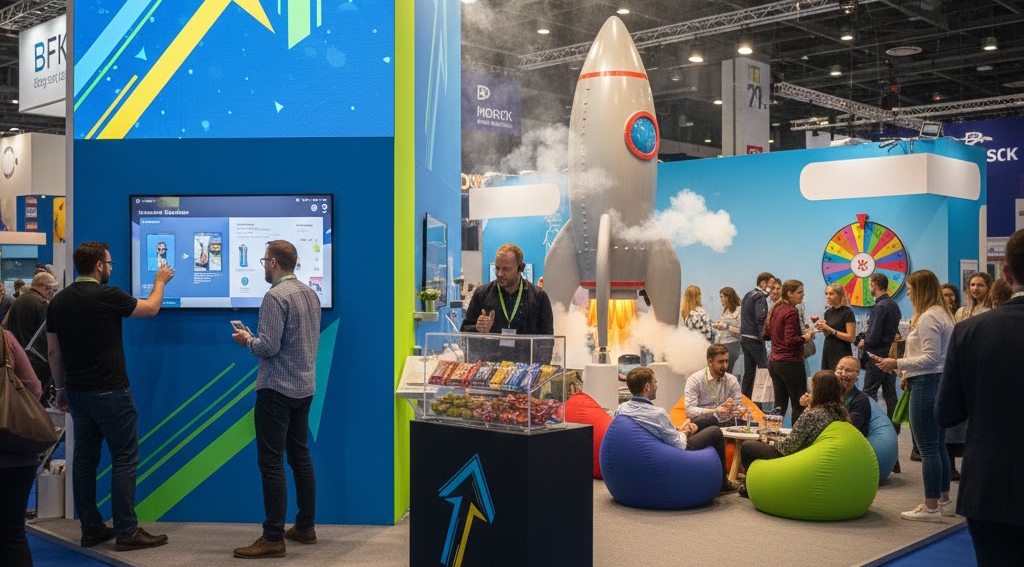
The doors open, and it’s show time. Here’s how to make your trade show as an exhibitor unforgettable.
Get There Early and Set Up
Arrive early to set up your exhibit and double-check your promotional materials. Test your product demonstrations and tidy your booth before the crowds arrive.
Engage Every Attendee
Greet everyone who stops by your stand with a smile and a quick introduction. Ask questions to start a conversation. Use your action plan to guide discussions toward your event goals.
Collect Leads and Contact Details
Good lead capture at trade shows requires a reliable system, whether that’s paper forms, an app, or scanning business cards. The faster you can collect leads and contacts, the more you can follow up after the event.
Jotting down quick notes about each person you meet helps make follow-up more personal and effective after the event.
Give Away Memorable Promotional Items
Everyone loves a freebie. When picking trade show giveaways, look for items that are useful and keep your brand top-of-mind. Offer something fun or unique, and make sure your contact details are on every item.
How To Follow Up After the Event
A successful trade show doesn’t end when the lights go out. The real magic happens in the follow-up.
Follow Up With Every Lead
Contact your new leads within a few days. Remind them where you met, include a personal note, and offer something of value, like a demo, a discount, or a useful resource.
Measure Your Success
Analyse the leads generated, sales closed, and feedback received. Evaluate its success against your event goals.
If your goal was to launch a new product, count orders and interest. If you wanted to build brand awareness, check social media mentions and booth traffic.
This is how you measure your success and improve for future events.
Update Your Action Plan
Use what you’ve learned to refine your trade show planning. Keep notes for your next event, so you’re always building on your experience.
Should You Organise a Trade Show?
Maybe you’re thinking bigger — you want to organise a trade show yourself.
Organising a trade show is a huge project. It involves everything from finding a venue and setting an event’s theme, to attracting exhibitors, promoting the event, and managing logistics. Event planning and management software can help keep things on track.
If you decide to organise a trade show, remember:
- Set clear event goals from the start.
- Recruit the right staff and suppliers.
- Use a solid marketing strategy to attract exhibitors and attendees.
- Make accessibility a priority for all guests.
- Have a plan in place for everything, from registration to emergencies.
Running a show is hard work but incredibly rewarding. You get to create an opportunity for businesses to showcase their products and connect with potential customers.
Practical Tips For a Successful Trade Show
These trade show tips come straight from the show floor, reflecting what seasoned exhibitors have learned over years of experience:
- Start planning early. The best spots and deals go first.
- Cover everything you need with a detailed checklist.
- Engage every attendee, not just the ones who look like buyers.
- Bring more promotional materials than you think you’ll need.
- Make your booth interactive to draw people in and keep them at your stand longer.
- Collect and follow up on every lead.
- Measure the effectiveness of your trade show so you can improve.
A successful trade show is not about luck. It’s about preparation, energy, and genuine connection. Ready to build a booth that earns results? Get a free quote from Stand Central and let’s get started.
TL;DR: Everything You Need To Know
A trade show is a chance to showcase your products, meet your target audience, and build new business.
Whether you’re exhibiting at a trade show for the first time or organising a trade show as an event planner, this complete guide covers everything you need to know.
Start with clear goals, plan every detail, design an inviting booth, and follow up after the event. Learn how to prepare for a trade show, find the right event, and turn every show into a successful event.
Don’t be afraid to make your first contact. Every trade show is a new adventure. Jump in and enjoy the ride!